Border, identities, politics of spaces
Borders are no longer only lines; they are protocols. Locks, keys, and Face ID outsource judgment, shifting sovereignty from humans to machines that authorize, deny, and remember. In these machinic spaces, identity becomes performative and contingent—glitched, cloned, proxied—an avatar among avatars. Islands and intertidal zones stage this politics: lines drawn, washed away, drawn again. Between screens and shores, nepantla opens: a hybrid hinge where alien and familiar co-inhabit, where surveillance scripts bodies, gestures, access. We calibrate ourselves to the device’s gaze, relinquishing agency to pass. Yet refusal persists in the glitch: misrecognition, masking, and collective play redraw belonging. Together, otherwise.
associated projects
Border, Identities, Politics of Spaces: Toward a Machinic Nepantla
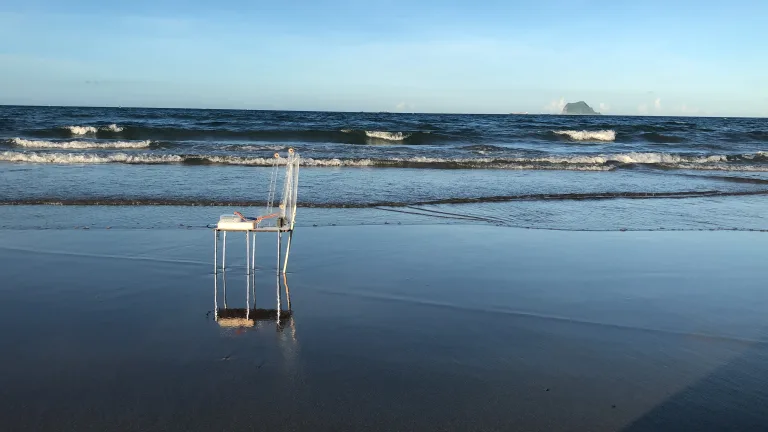
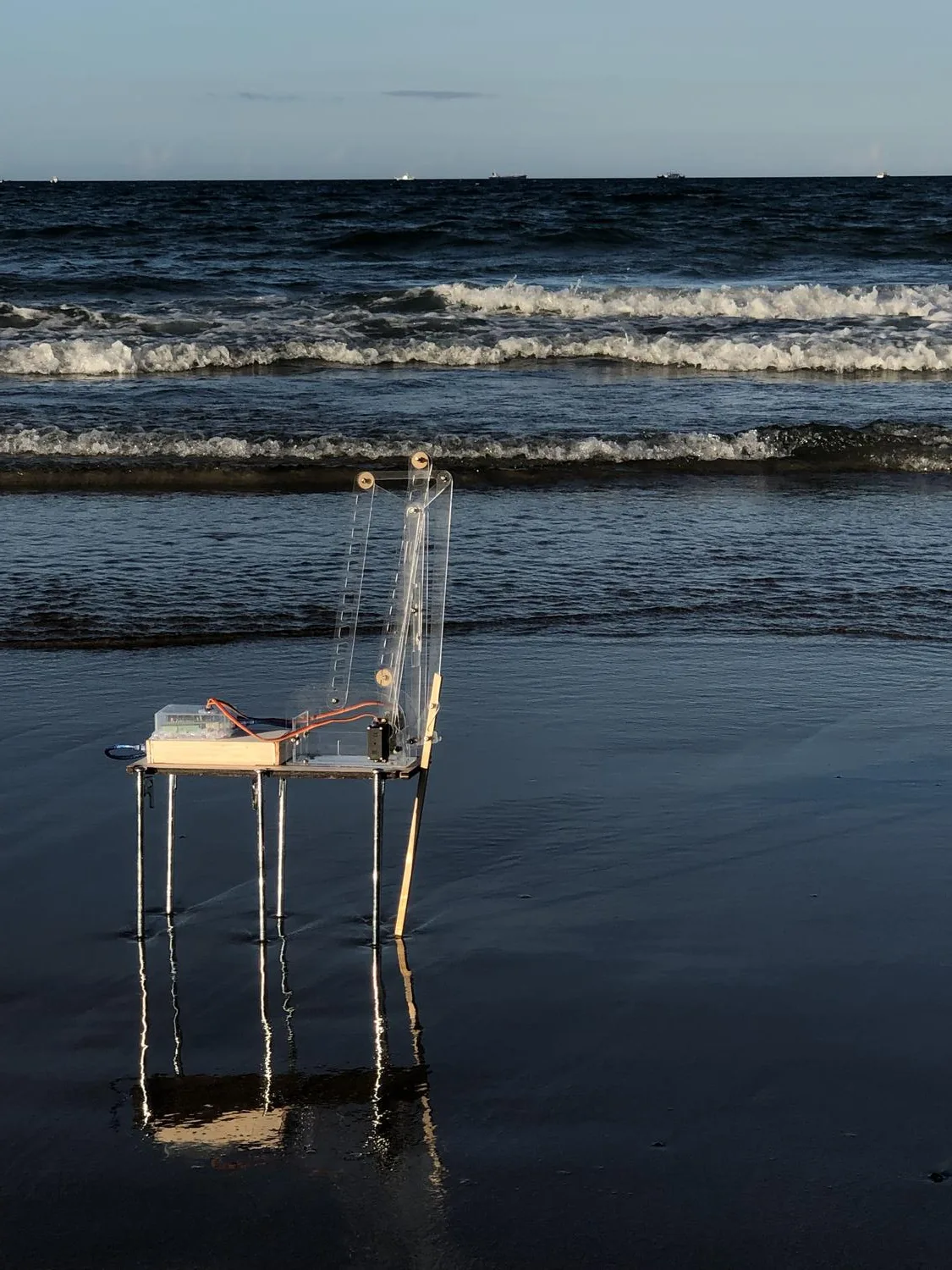
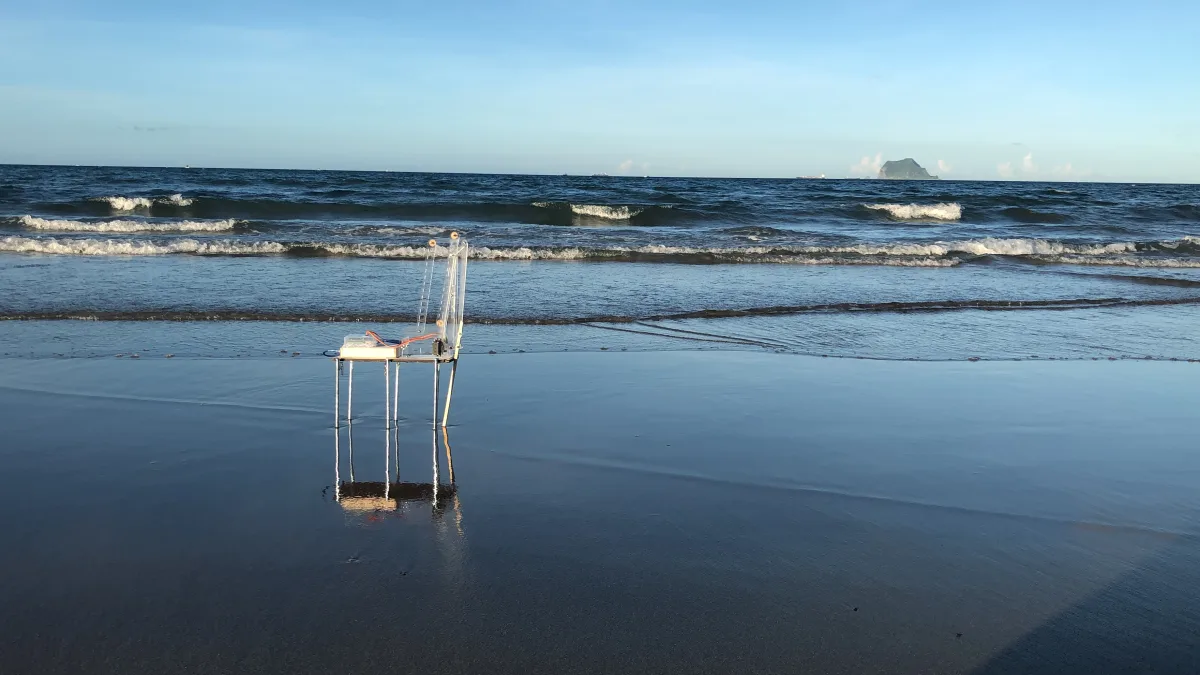
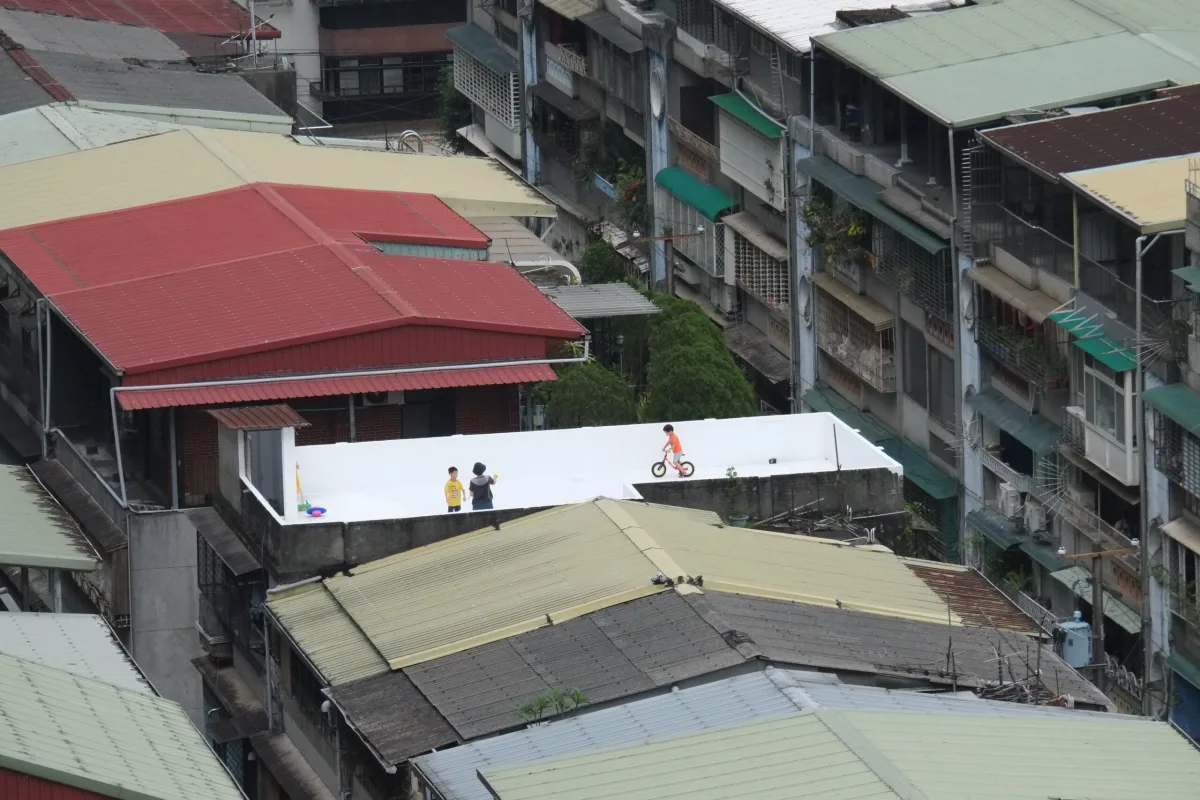
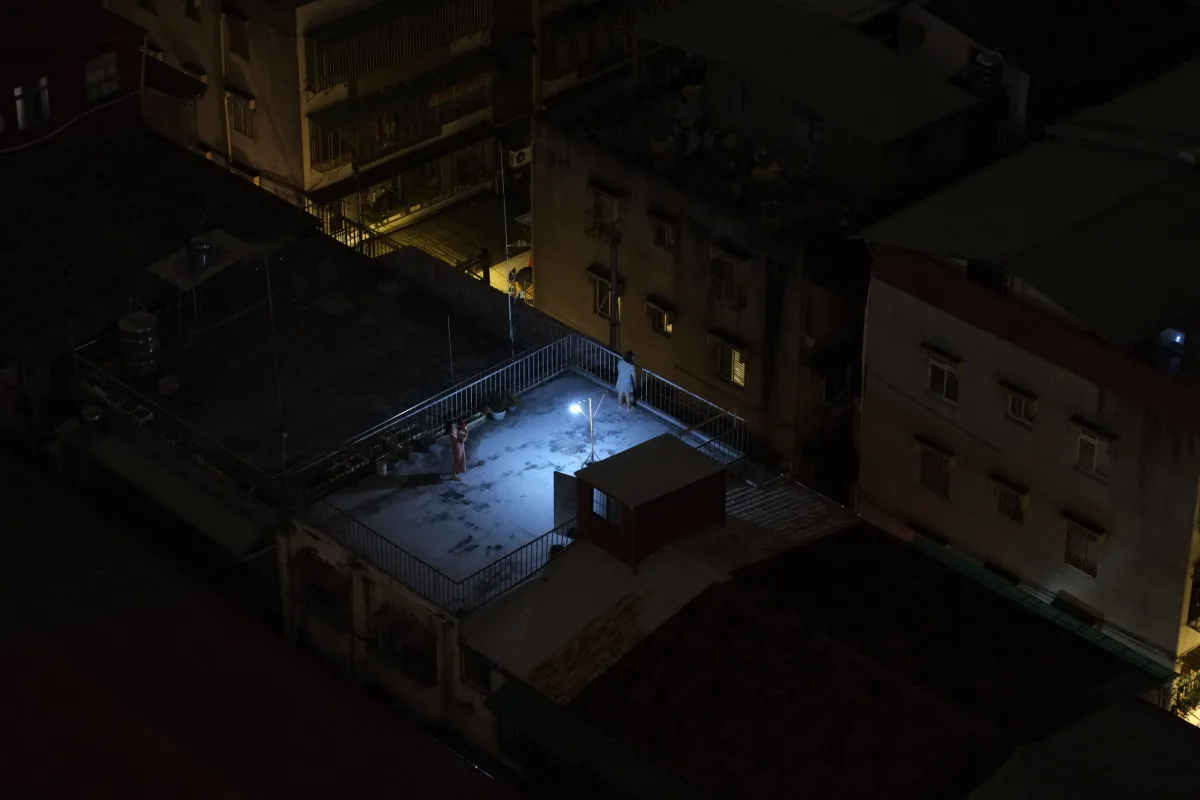
Begin with a shore. The island’s edge is a trembling sentence, written and un-written by waves. On Valentinswerder in Berlin and on Taiwan’s rugged coast, two robotic arms draw lines that the tide promptly erases. This is not failure; it is the grammar of borders in motion. Each stroke asserts a claim, here and not here, while the sea composes a counter-claim. Borders are thus neither merely cartographic nor purely symbolic; they are procedural, performative, machinic. They are protocols.
Consider the classic duo: 鎖跟鑰匙 (lock and key). Their promise is certainty, their magic is delegation. We authorize (授權) the key to stand in for us; we delegate (代理) our vigilance to the lock. In exchange for convenience we enact a subtle abdication, letting go of sovereignty (讓出的主權), ceding judgment to a mechanism. Face recognition refines this old pact with new intensity. Where keys once rested in our pockets, the “key” now rests on our skin: iris textures, voice timbres, gait signatures, and micro-topographies of the face. The device gazes back, 物的凝視, and either refuses or permits. We recalibrate our posture, remove a mask, adjust an angle, repeat a phrase, and align to the machine’s expectations. Here identity is neither essence nor narrative but a transaction with a nonhuman adjudicator.
Friedrich Kittler warned that "media determine our situation." Translate that into the everyday: phones that will not unlock become rooms that will not open, services we cannot enter, wallets that will not pay. A misfire of the sensor withholds access to what was already ours. The consequence of reliance on objects (依賴物的後果) is not only inconvenience but a realignment of power. The border is no longer only the checkpoint at an edge; it is the threshold encoded in code, the invisible line between “recognized” and “unknown,” “authorized” and “error.”
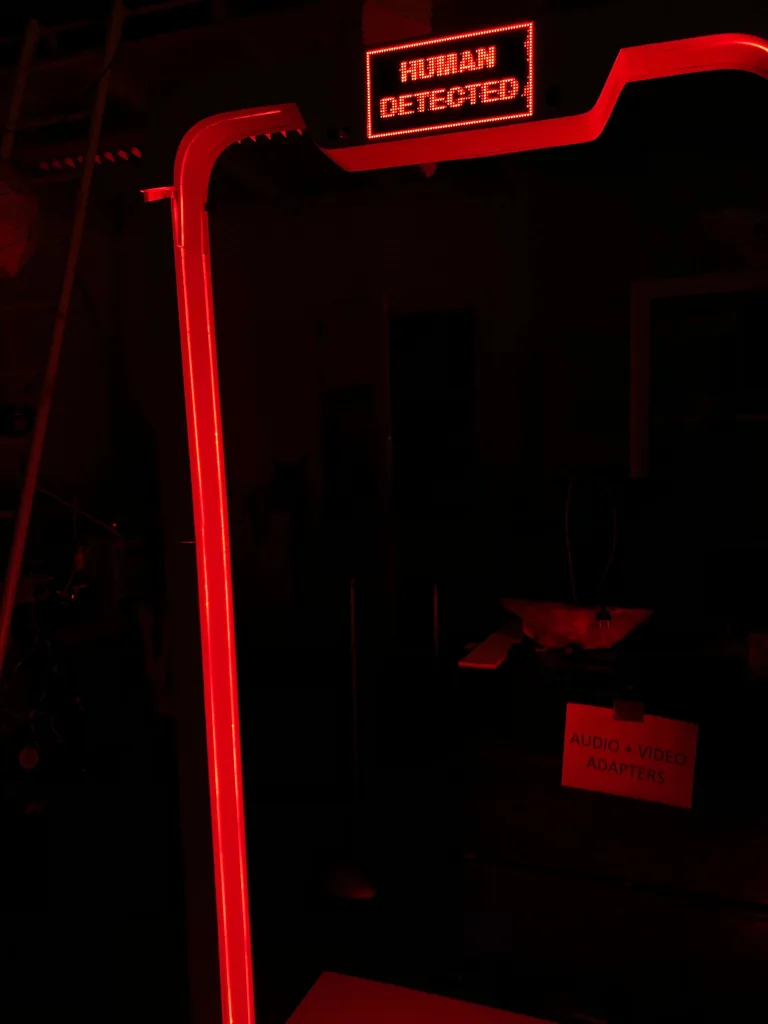
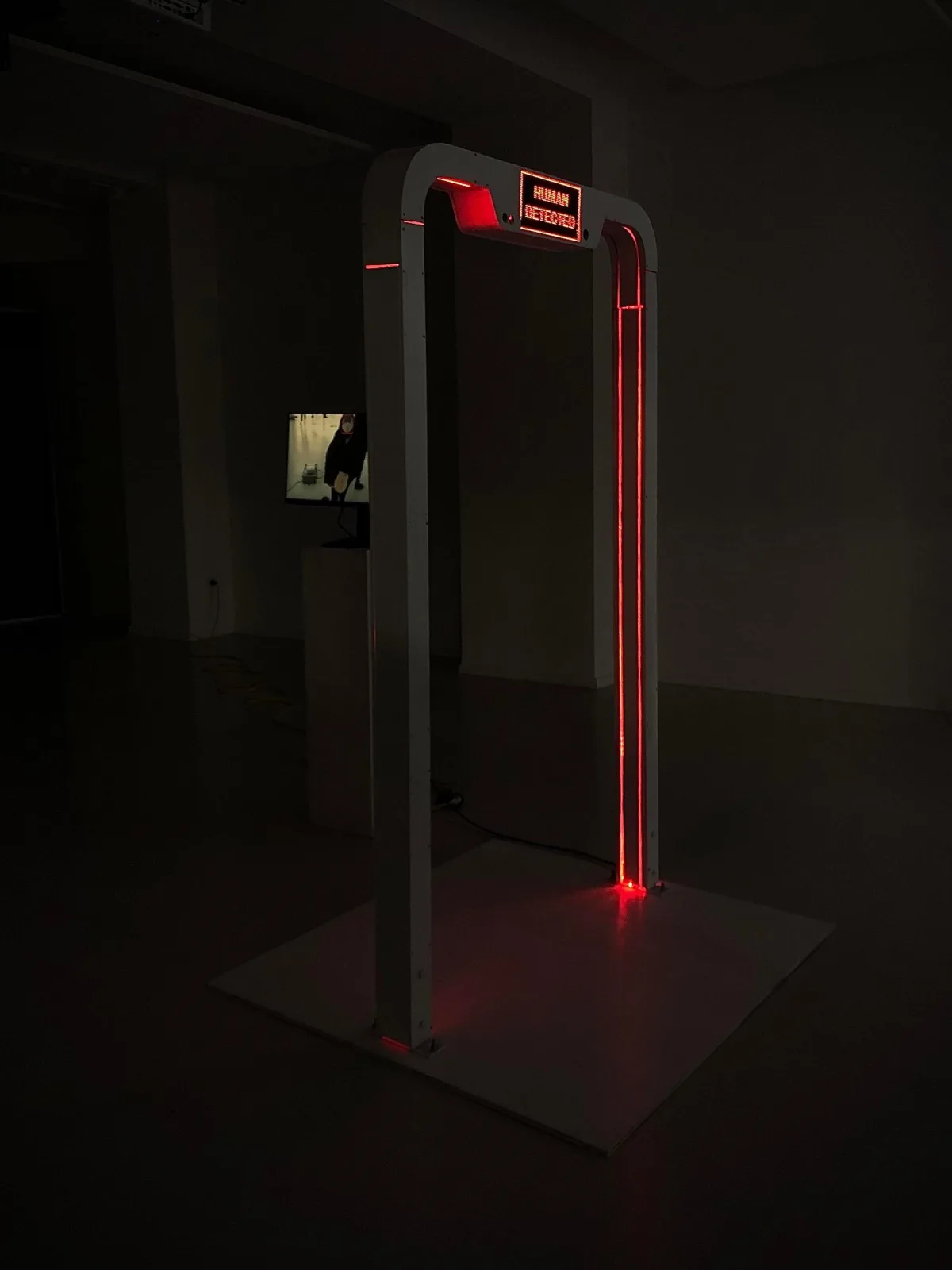
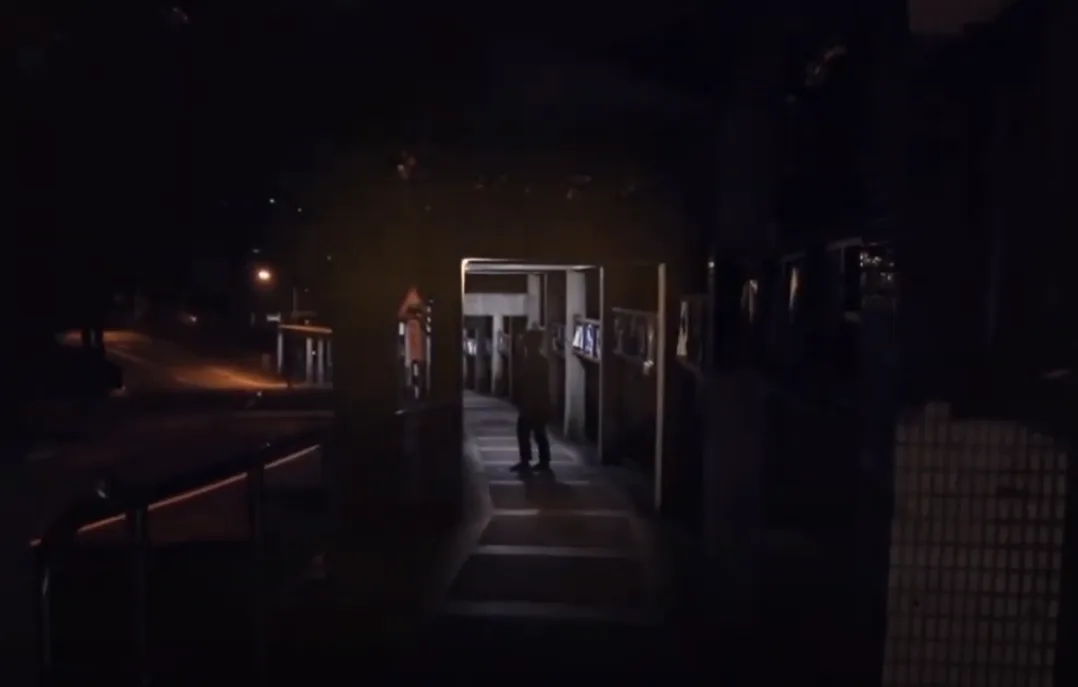
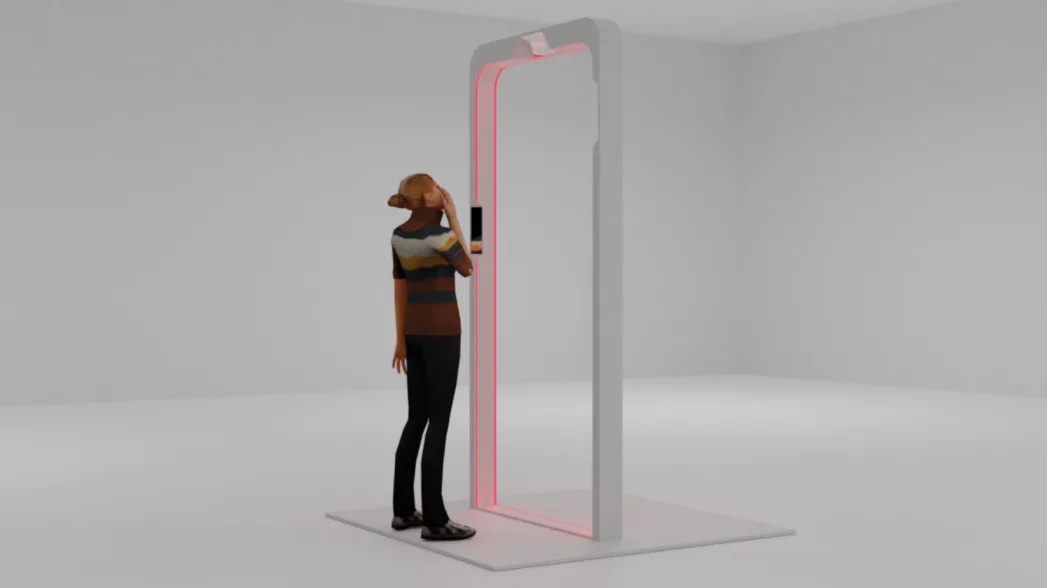
This transference of sovereignty fuels an imagination of the perfect machine (完美機器), the impartial arbiter. Yet the promise of perfection is itself a technique of rule: if the machine is perfect, then contestation must be user error. The politics of spaces thus migrate from architecture to firmware, from walls to weights in a neural network. The door that refuses the human face dramatizes this shift. Our door, fitted with three cameras and a distance sensor, enacts a counter-ritual: "Your face was detected" becomes an exclusion. Only by masking one’s humanness can one pass. The piece surfaces an inversion latent in contemporary infrastructures: the more identity becomes machine-readable, the more our bodies must adapt to machinic legibility, even when that legibility is hostile.
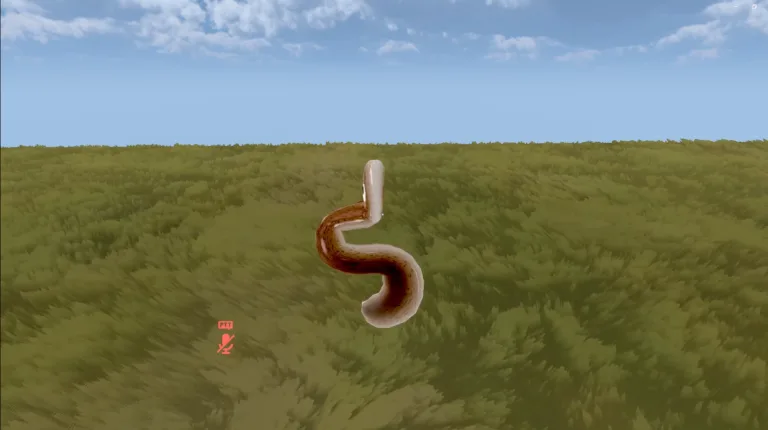
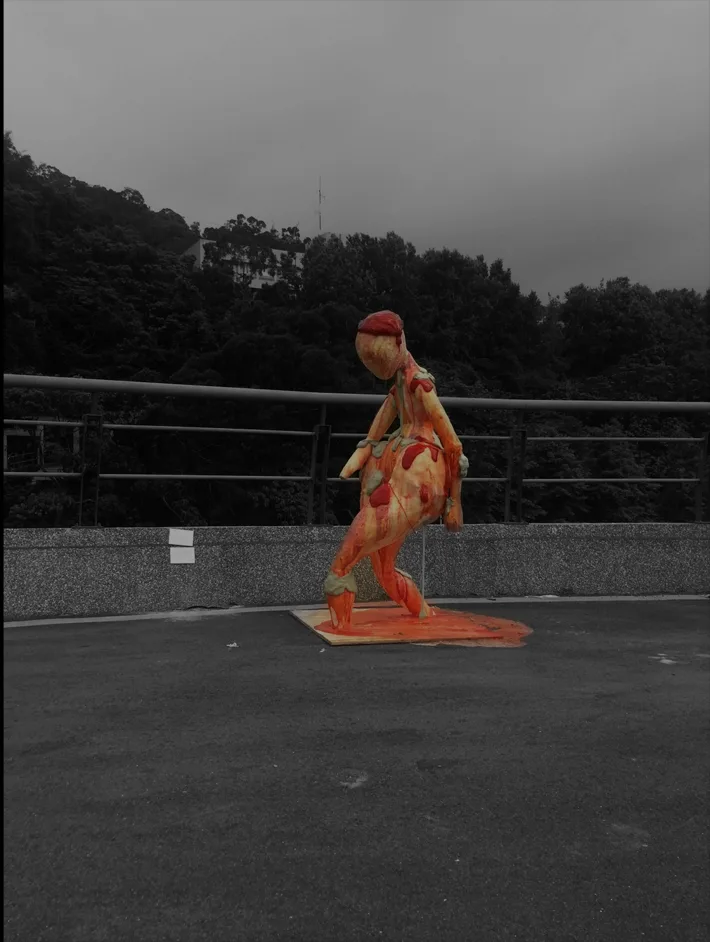
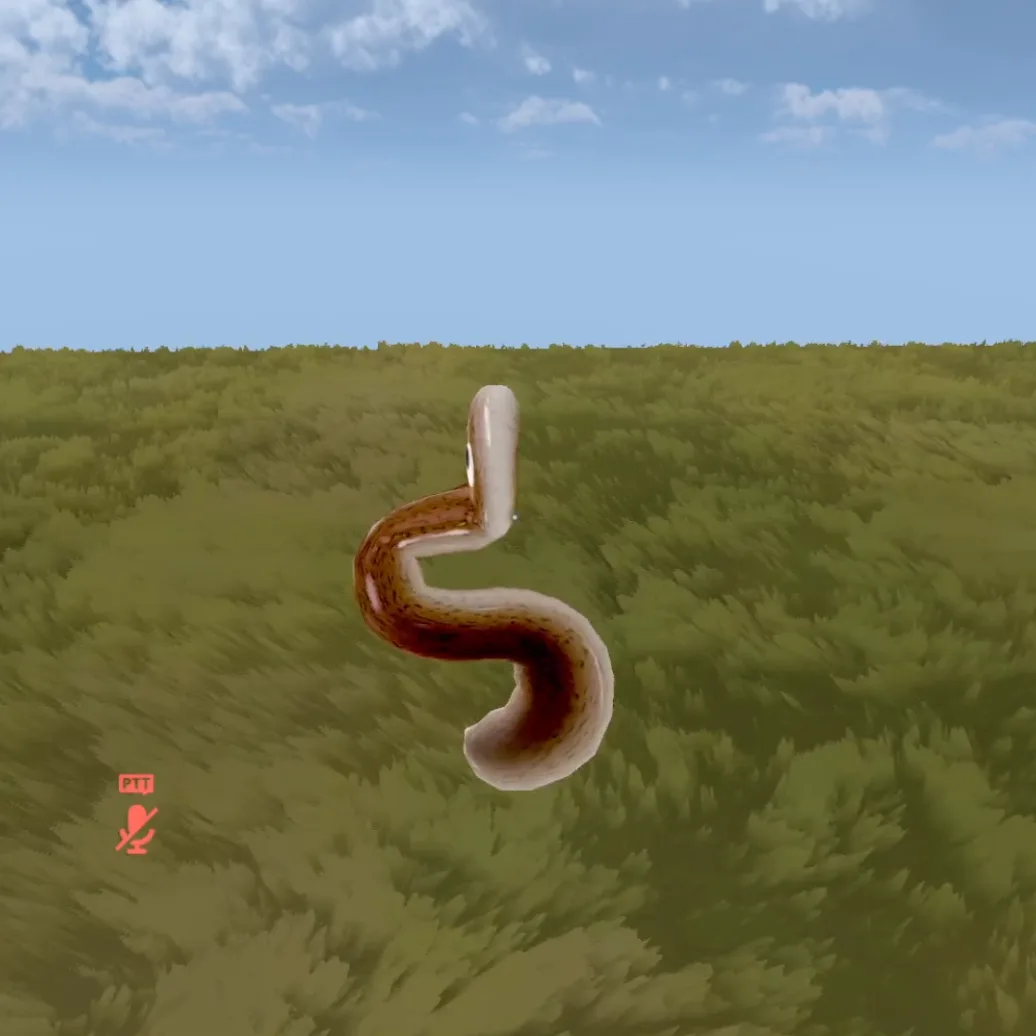
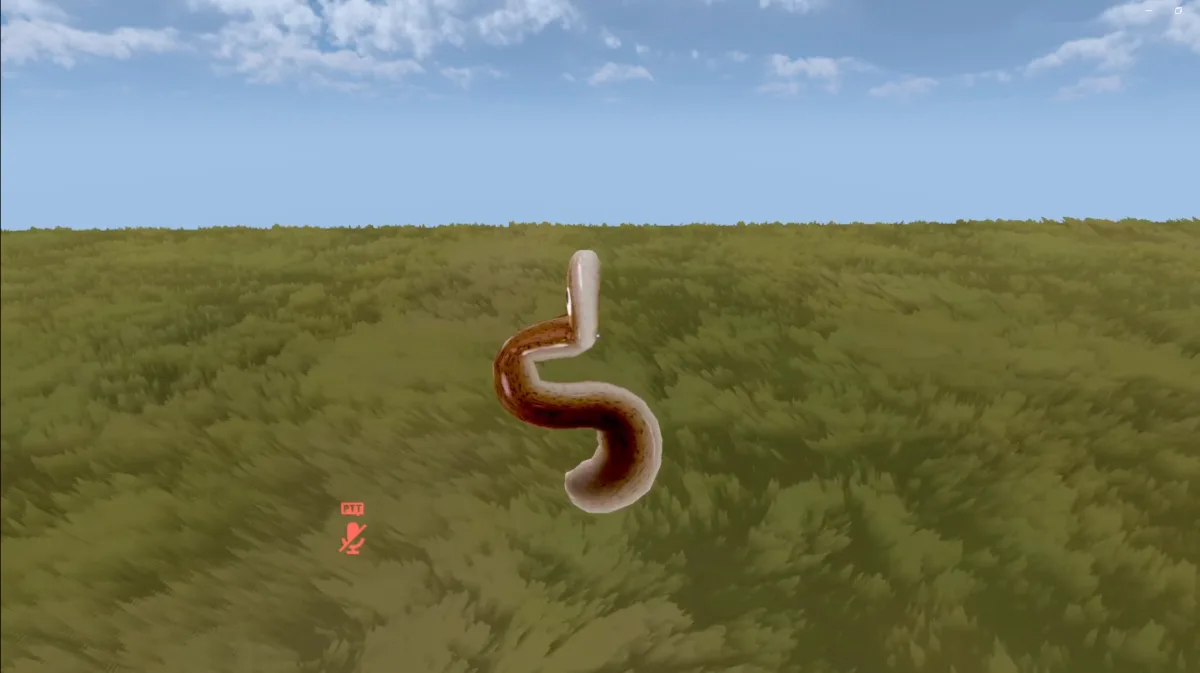
What happens to identity in such a regime? Enter nepantla, the borderland Gloria Anzaldúa names as a site of contradiction and transformation, the in-between that both wounds and enables. Today, nepantla stretches across screens and shores. In VRChat, identity is materially plastic: avatars are cloned, swapped, commodified, and memed. "Clone avatar" extends the logic of delegation; our faces become outfits, our selves a library of selves. There is liberation here, but also a replay of old hierarchies inside new forms. Language remains a gate; accents index "real-world" origins; slurs travel as quickly as skins. A child orders fries in a virtual McDonald’s while a towering "Nazi warrior" strolls by; a Black avatar must still police the speech that injures. The mirror rooms hum with players staring at their reflections, 鏡中倒影, performing Lacan’s scene in synthetic light: an identity stabilized neither by bones nor by mirrors but by shaders and IK solvers. In this world, embodiment is an interface problem and a social contract. The border moved from the nation-state to the renderer pipeline, and yet it is still a border.
Between island shores and social VR, the same choreography repeats: draw a line, watch it smudge, draw again. The robotic arms on Valentinswerder and Taiwan trace a cartography of uncertainty. Each island is tethered to a mainland by cables, ferries, histories, and projections. Berlin’s lake island is culturally close despite watery separation; Taiwan’s strait both protects and cleaves, becoming at once shield and scar. Here, too, identity is learned as oscillation: defense and definition, connection and cut. The line is an incision that heals as quickly as it is made, leaving only the memory of edges.
What do locks and avatars, islands and mirrors, doors and databases share? They redistribute agency across human and nonhuman actors. 人和非人的關係 are neither allegory nor future forecast but the fabric of now: sensors act, datasets remember, platforms nudge, users comply or glitch. The "subject," Kittler reminds us, is no longer the unassailable center; the machine has its own subject-position. But decentering the human does not erase human stakes. Sara Ahmed’s "strange encounters" are freshly staged in lobbies, queues, and virtual bars: who is addressed, who is misaddressed, who is stopped, who is waved through. Legacy Russell’s Glitch Feminism invites refusal through error: misrecognition as tactic, masking as passage, opacity as care. In our door-work, access is granted only when the machine cannot read the human; the glitch becomes the key.
Nepantla as method asks not for a final synthesis but for a practice of standing in the crack. In VRChat, our collective used a single device, one account, one body composed by four voices: Spanish-English, Korean-English, and Chinese-English rhythms braided through a mushroom avatar. The "we" arrived stuttered, polyphonic; the platform heard us sometimes as noise. Yet that friction was data: how many voices can an interface accommodate before it redescribes them as error? A border is revealed wherever plurality is misfit.
The politics of spaces, then, is not merely about entry and exit but about the terms under which recognition occurs. A door that "knows" you produces an intimacy with infrastructure that is both seductive and coercive. It remembers your morning face, your tired face, your winter face under a beanie, until the day it does not, and your life reroutes around a sensor. Islands remember tides like platforms remember users: statistical oceans, patterns of approach, allowed anomalies. When the machine’s memory is treated as neutral, our forgettings, how bias was trained, how categories were chosen, harden into unappealable fact.
What counters this? Not a retreat to purity or to mythic human mastery, but a tactical ethics of mediation. Three gestures:
Design for negotiation, not certainty. Let thresholds expose their criteria. If the lock decides, it must also explain; if the camera refuses, it must make its refusal accountable and reversible. Every border should carry its own user manual, and that manual must be writable by those it governs.
Glitch as pedagogy. Rather than treating misrecognition solely as defect, treat it as discourse. To mask, to misalign, to dis-identify: these are not merely escapes but demonstrations, a way of showing where the model fails and for whom. A politics of the unreadable resists the flattening that machine legibility demands.
Collective authorship of space. Islands are not solitary, nor are platforms. Our robot arms are not artists alone but instruments in a chorus: human hands fabricate, algorithms schedule, waves edit. In VR worlds, players build worlds that build players. To claim space is to co-compose it, to accept that borders are realities we write together and therefore can rewrite.
Return to the door. Its triple gaze reports: "Your face was detected," "Access denied." The message assumes that identity must be offered as tribute at every crossing. Our counter-protocol proposes another ritual: access granted when the human cannot be reduced to the face. This point is not a technophobic lament but an ethical wager. If recognition becomes the price of participation, then the political task is to broaden what counts as presence and to limit what infrastructures may demand.
Return to the islands. The robot traces a fragile contour; the wave teaches that contours are living. In Taipei and Berlin, in headsets and hallways, we keep drawing lines and watching them go. The work is not to preserve a final drawing but to study the tides, to attend to the rhythms by which belonging appears and unappears. To stand in nepantla is to refuse the false choice between solidity and dissolution; it is to inhabit form as a verb.
And return, finally, to the mirror. The avatars tilt, pose, and preen; the mushroom nods to a chorus of accents; a child asks if we are “really human.” We answer, “Humans, yes, also proxies, also echoes.” In that layered reply resides a politics: identity as a temporary accord among bodies, sensors, and stories. The border remains, but it blurs at the edges. We learn to cross by unlearning how we were taught to be seen. We learn to host each other in the crack. We learn that sovereignty can be shared with things without surrendering it to them. We learn, and then we draw again.