Project: identified
This particular piece tries to deliberate the use of face recognition, and discusses the evolution of the relationship between human and non-human (machine). Changes in human identity led to the creation of systems to distinguish ownership and secure belongings. This evolved from the historical use of locks and keys. Previously, unowned areas were open to all, but ownership led to divisions and declarations of property. We used to guard our spaces personally or trust others to do so, while also setting up barriers to deter trespassers. Locks, which could only be opened with a specific key, shifted the responsibility to objects. This system removed the need for constant vigilance over our properties.
We must follow these rules, seeking permission and adjusting our actions for mechanisms like face ID. This not only changes how we use ourselves but also our behaviours and thought processes. Few question why such authentication is needed to exclude others. If a non-human context emerges, subjectivity will shift, and we may face a dominant machine. Under its surveillance, people are monitored and examined. Gradually, we relinquish control. If the machine changes the system against our will, should we comply to access our own properties?
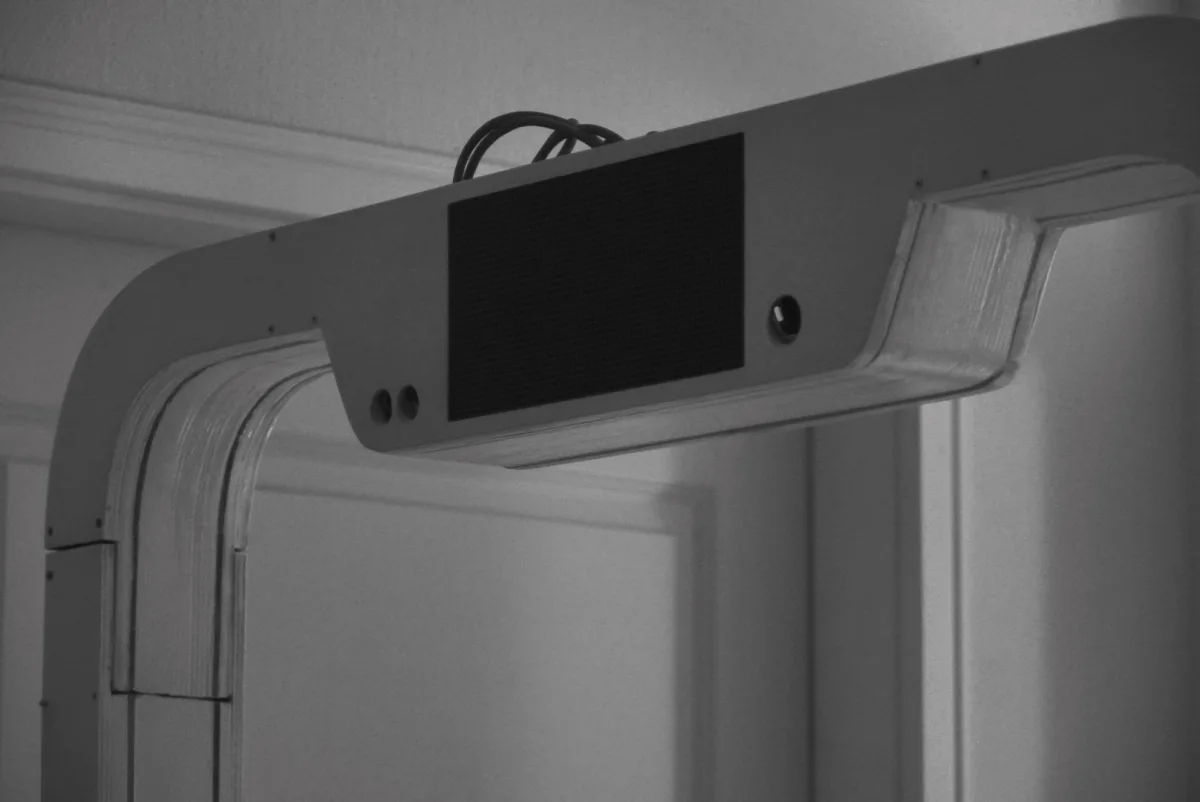
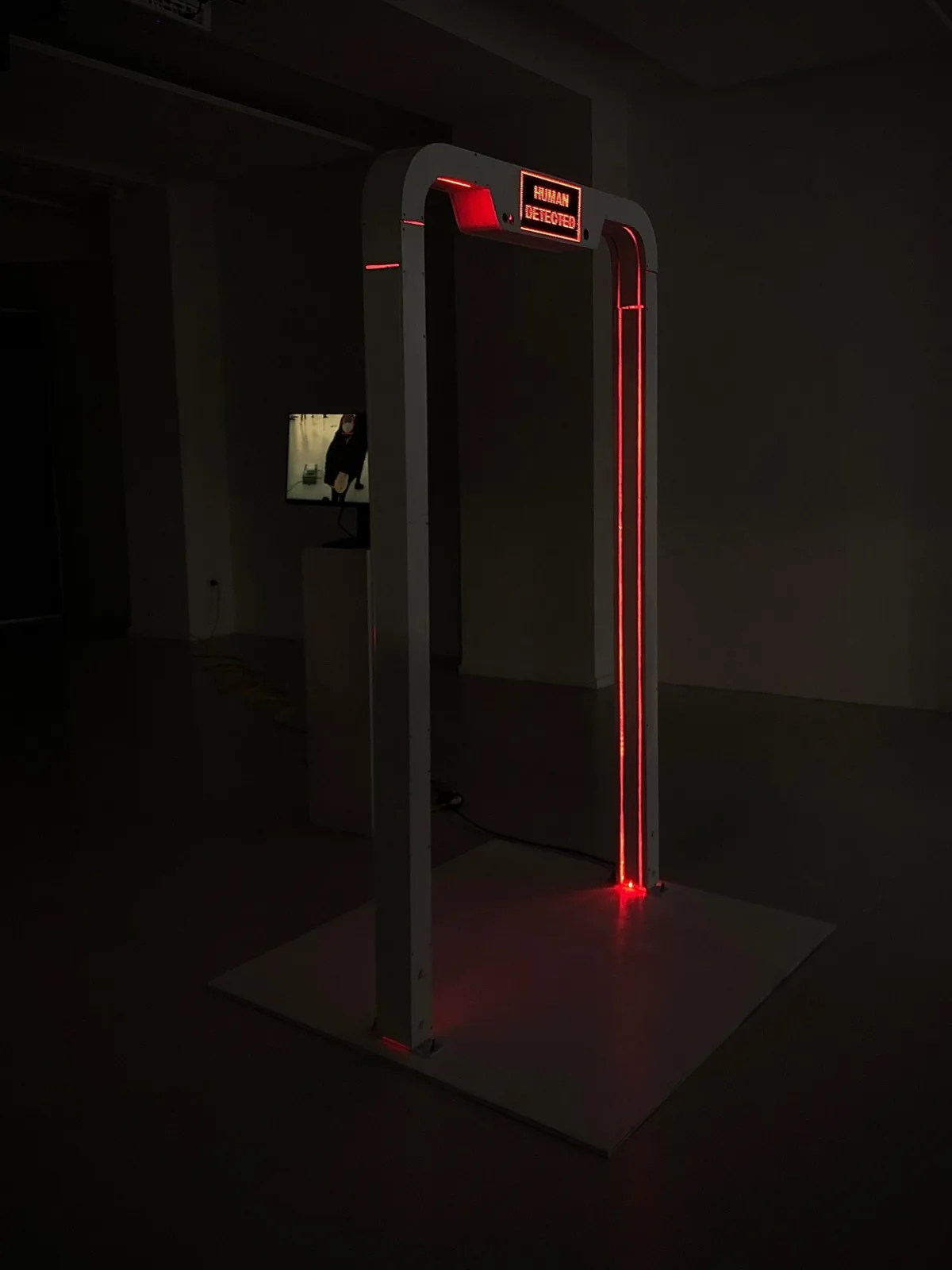
- Yu Tong Hsiao
- Kailung Zheng